Papercut Floral Moon Embroidery Review
When I first opened the Papercut Floral Moon file, my immediate reaction wasn't about stitch counts or hoop sizes. It was about the mood. There is a distinct elegance to papercut aesthetics that translates surprisingly well into thread, provided you understand how to handle the negative space. As someone who has reviewed hundreds of designs for everything from boutique branding to personalized baby gifts, I look for more than just a pretty picture; I need to know if a design will hold up under a sewing machine needle and if it adds value to a finished product.
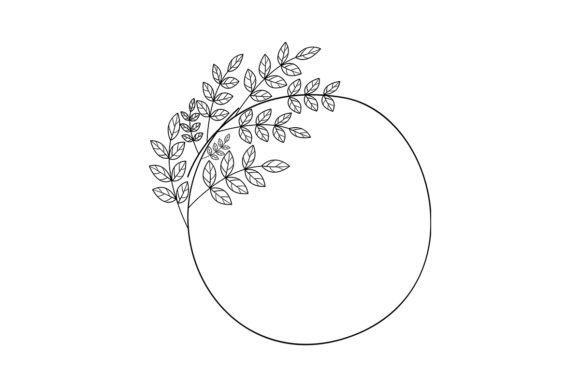
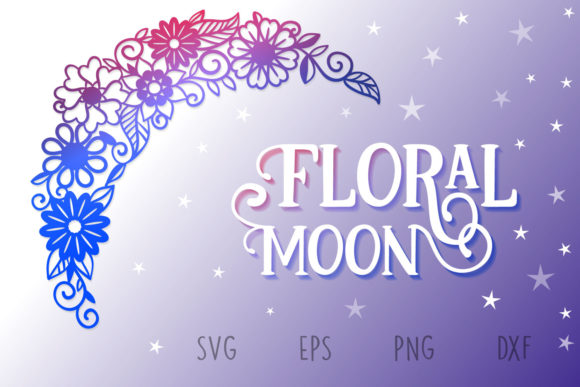
This Graphics category piece brings a whimsical yet sophisticated vibe. The combination of a crescent moon with delicate floral elements creates a layout that feels organic rather than rigid. For an embroidery designer, this is promising because the open spaces allow for creative thread color choices without the design feeling cluttered. However, before we dive into the technical execution, let's talk about where this design actually shines in a real-world scenario.
From Digital File to Finished Product: A Real-World Test
Imagine you are prepping for a busy holiday season. You have a client who wants a custom embroidered tote bag for a local artisan market. They want something unique but not overly complex to ensure the production time stays reasonable. This is exactly where Papercut Floral Moon becomes a strong contender.
I visualized placing this design on a heavy-duty canvas tote. The papercut style works beautifully here because the crisp lines mimic the texture of the fabric itself. Unlike a dense fill design that might weigh down lighter materials, this layout allows the natural weave of the canvas to show through the open areas. If you were to use this for a sweatshirt embroidery project, the result would be a soft, textured look that feels handcrafted rather than mass-produced. The flowers wrapping around the moon create a natural frame, guiding the eye across the garment or accessory.
However, consider the alternative: a baby item. A onesie or a small nursery pillow cover requires a different approach. The delicate nature of the papercut lines needs to be handled with care. If the stitch density is too high, the fabric might pucker, ruining the soft drape needed for baby products. But if executed correctly, the Papercut Floral Moon offers a dreamy, ethereal quality that parents love for nursery decor. It transforms a simple cotton swaddle into a keepsake piece that feels like a work of art.
Navigating Technical Challenges in Embroidery
While the aesthetic appeal is undeniable, a professional review must address the practical hurdles. Not every surface is suitable for this specific embroidery file. The intricate details of the papercut style mean that small corners and thin connecting threads are present. When working with small hoop sizes, these fine details can get lost or, worse, break during the stitching process. If you are planning to make an embroidered patch, you must ensure your stabilizer choice is robust enough to support those tiny points without tearing.
Fabric texture plays a massive role here. On a smooth, tightly woven linen, the design will pop with clarity. On a highly textured bouclé or a fuzzy fleece, the definition of the papercut lines might vanish. Furthermore, stretchy fabrics like jersey t-shirts require extra attention. Without proper hooping techniques and a high-quality cut-away stabilizer, the tension changes inherent in stretchy material can distort the circular shape of the moon, making it look oval or warped.
There is also the issue of dark fabrics. Papercut designs often rely on contrast. If you choose a dark background, you will need to select light-colored threads or perhaps incorporate a backing layer to ensure the design stands out. Using the wrong thread colors can turn a stunning custom apparel piece into a muddy mess. Always test your thread palette against the actual fabric before committing to a full production run.
Strategic Placement for Commercial Success
For the Etsy seller or small shop owner, the presentation of the final product is just as important as the stitching. The Papercut Floral Moon lends itself perfectly to printable mockups. Because of its clean lines, it renders exceptionally well in digital previews, giving potential buyers a clear idea of what they are purchasing. This clarity builds trust. Customers are more likely to buy a handmade product when they can visualize the detail clearly.
Think about the versatility of this design asset. It is not limited to just clothing. I have seen similar designs adapted for kitchen towels, aprons, and even wall stickers. The floral motif adds a touch of nature that fits seamlessly into home decor trends. If you are creating a set of matching items—say, a tea towel and a pot holder—the consistent theme of the moon and flowers creates a cohesive brand identity. This consistency is crucial for establishing a professional image in a crowded marketplace.
When considering commercial embroidery projects, the scalability of the design is key. The layout allows for resizing without losing the core character of the moon. Whether you are producing a large batch of tote bags for a corporate gift or a single, bespoke pillow cover for a wedding, the design adapts well. Just remember to adjust the stitch density based on the size. A smaller version requires tighter stitches to maintain integrity, while a larger version can afford slightly looser spacing to reduce bulk.
Essential Designer Notes Before You Stitch
Before you rush to load your machine, there are a few critical steps to take to ensure success. First and foremost, always test the design on scrap fabric. This is non-negotiable. You need to see how the stitch density interacts with your specific fabric type. Does it pull? Does it tear? The Papercut Floral Moon might behave differently on silk compared to denim.
Check your hoop size carefully. Ensure the design fits comfortably within your chosen hoop without cutting off any essential elements. If the design includes text or very small lettering alongside the graphics, inspect those closely. Tiny details are often the first to disappear if the tension is off. Also, verify whether the design works for both personal and commercial projects by checking the licensing terms explicitly. Many designers overlook this, leading to legal issues down the line.
Thread color selection is another area where judgment matters. Don't just pick the default colors provided in the software. Look at the contrast between the thread and the fabric. A black moon on a black shirt won't work unless you plan to use a contrasting outline. Similarly, check the stability of the design by reviewing it in black and white mockups. If the design loses its structure in grayscale, it might struggle to translate into thread effectively.
Finally, consider the end-use of the product. If you are making items that will undergo frequent washing, such as tote bags or sweatshirts, ensure you are using high-quality thread and appropriate stabilizers. The durability of the finish determines customer satisfaction and repeat business. A design that looks beautiful initially but fades or frays after one wash damages your reputation.
The Papercut Floral Moon is more than just a decorative element; it is a versatile tool for creative entrepreneurs. By understanding its strengths and limitations, you can transform a simple SVG into a high-value handmade product. Whether you are crafting a personalized gift or building a brand for your crafter business, this design offers a blend of charm and professionalism that resonates with modern buyers. Approach it with patience, test thoroughly, and you will find it to be a reliable addition to your collection of design assets.