Dark Flowers Floral: A Designer's Real-World Embroidery Review
When I first opened the Dark Flowers Floral file, my initial reaction wasn't about the technical specs or the file formats. It was about the mood. There is a specific energy to dark floral motifs that separates them from the bright, cheerful spring bouquets often seen in mass-market designs. This piece carries a moody, sophisticated weight that feels perfectly at home on a vintage denim jacket, a midnight-blue tote bag, or a high-end boutique apron. As someone who reviews embroidery assets for both personal projects and client work, I look for designs that translate well from a screen to a needle. Dark Flowers Floral delivers that transition with surprising grace.
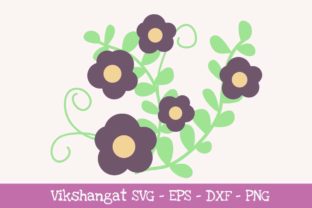
The layout strikes a balance between organic flow and structured elegance. The flowers aren't just scattered randomly; they seem to grow together, creating a natural cluster that guides the eye across the design. For an embroiderer, this matters because it dictates how the stitches will interact with the fabric grain. In my experience, designs that mimic natural growth patterns tend to age better on garments than rigid, geometric arrangements. The visual personality here is versatile enough to fit a gothic aesthetic but refined enough for a modern minimalist shop. It creates an immediate sense of professionalism before a single stitch is even placed.
Real Project Scenarios: From Screen to Stitch
To truly understand the value of a digital asset like Dark Flowers Floral, you have to imagine it in a real-world scenario. Let's say I am preparing a custom order for a local coffee shop owner who wants branded merchandise. She needs something unique that stands out against the standard logo embroidery found on most aprons and caps. I decided to test Dark Flowers Floral on a heavy cotton canvas tote bag intended as a holiday gift set.
The first thing I noticed was how the design handled the density. On a thick canvas, you need fill stitches that lay flat without puckering the fabric. When I ran a quick test hoop on scrap material, the stitch density felt appropriate. It wasn't so dense that the thread couldn't penetrate the weave, yet it was substantial enough to hold its shape after washing. The result was a finished product that looked expensive. Customers scanning a craft fair booth would immediately recognize the quality difference between a cheap print and a solid embroidered patch. This design elevates a simple tote bag into a statement piece.
I also considered using this for baby items, which is a huge category for Etsy sellers and small business owners. Dark florals can sometimes feel too mature for a nursery, but when applied correctly, they offer a chic alternative to pastel clouds and stars. Imagine a soft grey sweatshirt for a toddler featuring this design in contrasting white or sage green thread. The embroidery project becomes a personalized gift that parents actually want to keep, rather than a temporary novelty. The design works beautifully on curved surfaces like caps, provided the curvature isn't extreme, adding a touch of edge to a standard baseball hat.
Navigating Technical Challenges
While Dark Flowers Floral is a strong candidate for many applications, no design is universal. As a designer, I always advise checking specific constraints before committing to a production run. One area where this design requires careful consideration is on stretchy fabrics. If you are planning to embroider this onto a thin polyester blend t-shirt or a knit cap, the tension of the stitches might cause the fabric to pucker around the floral clusters.
In these cases, the choice of stabilizer becomes critical. You cannot rely on tear-away stabilizers alone for this type of detailed floral work on stretchy materials. A cut-away stabilizer is often necessary to maintain the integrity of the machine embroidery design over time. Furthermore, if you are working with a small hoop size, you must inspect the smaller details closely. Some of the inner petals or connecting stems might get lost if the scale is reduced too much. Always check your hoop size requirements against the final output dimensions to ensure clarity.
Another practical limitation involves textured fabrics. While a linen or burlap background can add rustic charm to a floral design, highly textured weaves can interfere with the precision of satin stitches. The needle might skip, or the thread might not lay flat, ruining the smooth appearance of the flower centers. For best results, stick to smoother cottons, twills, or blends where the fabric acts as a neutral canvas for the art.
Visual Appeal and Brand Consistency
For those running a craft business, the visual appeal of your finished product directly impacts customer trust. A sloppy embroidery job can undermine even the best marketing photos. Dark Flowers Floral supports brand consistency because its lines are clean and distinct. Whether you are producing a batch of kitchen towels or a limited run of wedding gifts, the design maintains its identity regardless of the colorway.
I recommend testing the design in black and white mockups before selecting your thread colors. This helps you visualize how the contrast will appear on different backgrounds. On a dark fabric, light threads pop, creating a striking silhouette. On light fabrics, darker threads provide depth and definition. The versatility of the design allows you to create variations for different seasons—a deep burgundy thread for autumn, a crisp white for winter holidays, or a vibrant teal for summer events. This flexibility is crucial for commercial embroidery projects where you need to adapt quickly to market trends.
Essential Notes for the Embroidery Designer
Before you import this file into your software, there are a few practical steps every professional should take. First, always test the design on scrap fabric. It sounds obvious, but skipping this step is the fastest way to ruin a customer's garment. Check the running stitch areas and the satin stitch coverage to ensure there are no gaps or excessive thread breaks.
Second, verify the licensing terms. If you plan to sell finished products made with this digital embroidery file, you must confirm that your purchase includes commercial rights. Many creators offer personal use licenses only, which means you cannot resell items stitched with the design. Ensure you have the proper permissions to avoid legal issues down the line. Additionally, review the file compatibility. While the description mentions support for paper crafting programs, ensure your embroidery machine software can read the specific vector formats provided, such as SVG, EPS, DXF, or PNG, without needing complex conversion.
Finally, pay attention to the fabric texture you choose. A smooth, high-quality fabric makes any design look better, but it is especially important for intricate floral patterns. The right fabric enhances the finished product, making it feel luxurious and worth the price point. When you present a handmade item to a buyer, they are paying for the craftsmanship as much as the design itself. Dark Flowers Floral provides a solid foundation for that craftsmanship, allowing your skills to shine through the stitching.
In conclusion, Dark Flowers Floral is more than just a pretty picture; it is a functional tool for designers looking to elevate their handmade products. It offers a sophisticated aesthetic that works well in both personal and commercial contexts, provided you respect the technical limitations of embroidery. By taking the time to test, stabilize, and color-match correctly, you can turn this digital asset into a standout addition to your portfolio. Whether you are decorating a tote bag design for a festival or creating a custom sweatshirt embroidery line, this design brings a level of polish that customers appreciate.