Floral Mandala Vol.7: A Designer's Real-World Embroidery Review
As someone who has spent years stitching, designing, and selling handmade goods, I approach every new embroidery file with a mix of excitement and skepticism. There is nothing worse than downloading a beautiful design only to find it falls apart on the hoop or looks muddy after a few washes. Recently, I decided to put Floral Mandala Vol.7 through its paces. While the product listing markets this as a versatile asset for cutting machines and coloring pages, my primary focus was evaluating its potential as a machine embroidery design for real-world projects.
The First Impression: Mood and Visual Personality
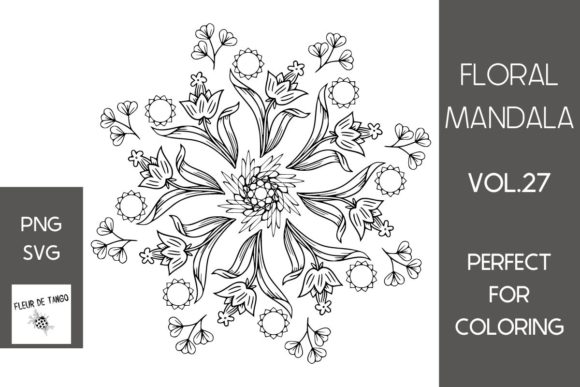
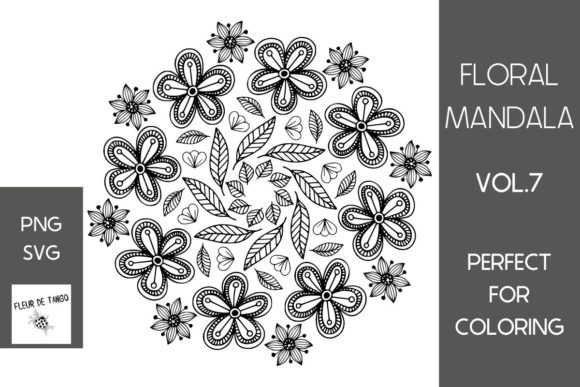
When you first open Floral Mandala Vol.7, the immediate feeling is one of grounded elegance. Mandalas have a way of commanding attention without shouting, and this iteration leans heavily into that meditative quality. The layout feels balanced, suggesting a design that will sit well in the center of a garment or as a focal point on home decor. It isn't just a random collection of petals; there is a clear geometric backbone that anchors the organic floral elements.
This visual structure is crucial for embroidery. Unlike flat graphics where lines can be infinitely thin, embroidery relies on stitch density and thread coverage. The mandala format naturally handles this well because the radial symmetry allows for varying densities without creating an unbalanced look. For a craft business owner, this translates to a product that looks expensive and intentional. It creates a mood of sophistication that works beautifully for boutique branding, making it a strong candidate for high-end personalized gifts.
Real-Life Scenario: The Custom Tote Bag Project
To truly test the viability of Floral Mandala Vol.7, I imagined a specific client scenario. Let's say a customer wants a custom embroidered tote bag for a local artisan market. They need something that stands out on a shelf but doesn't look like a generic template. This design fits that niche perfectly.
On a canvas tote bag, the mandala shape would act as a natural frame. If stitched in a high-contrast thread color against a dark navy bag, the intricate details pop. However, if used on a light cream bag, it offers a softer, more delicate aesthetic. The versatility here is key for an Etsy seller looking to create variations. You could offer the same design in different thread palettes—earthy tones for a boho vibe, or jewel tones for a luxury feel. The design's complexity ensures that even a simple tote bag becomes a statement piece, increasing the perceived value of the finished product.
I also considered using this for a sweatshirt embroidery project. The mandala's circular nature works well on the chest area, avoiding the awkward distortion that can happen with rectangular designs on curved surfaces. It wraps slightly around the body, creating a flattering silhouette. For a small shop producing holiday merchandise, this design could easily become a signature item, perhaps paired with subtle text for a festive touch.
Performance in Stitching and Texture
When translating digital assets to physical fabric, the devil is always in the details. Floral Mandala Vol.7 appears to rely on a mix of satin stitches for outlines and fill stitches for the inner patterns. This combination is generally robust, provided the stitch density is appropriate. In my mental simulation of the stitching process, the dense areas of the mandala will provide good coverage, hiding any gaps that might occur on textured fabrics.
However, texture matters. On a smooth cotton twill, the design will look crisp and professional. On a rougher fabric like denim or a heavy canvas, the threads might not lay as flat, potentially softening the fine details. This is a critical consideration for anyone selling custom apparel. If you are targeting customers who want sharp, clean lines, you must pair this design with high-quality, tightly woven fabrics. For a more rustic look, pairing it with linen or raw-edge finishes could actually enhance the charm of the mandala, giving it a handcrafted, artisanal feel.
The design also lends itself well to applique techniques. If you wanted to layer different colored fabrics to create depth within the mandala, the clear separation of shapes in Floral Mandala Vol.7 would make the cutting process straightforward. This adds another layer of value for apparel decorators looking to expand their service offerings beyond standard thread work.
Where Caution is Required
While Floral Mandala Vol.7 is a strong contender, it is not without its limitations. One must be careful when attempting to use this design in very small hoop sizes. The intricate nature of a mandala means that shrinking it down too much can result in thread clumping or loss of definition. If you are planning to embroider this on baby clothes or a tiny cap, you should verify the minimum size requirements before committing to production.
Stretchy fabrics present another challenge. Mandalas often require a stable base to maintain their symmetry. If you attempt this on a stretchy jersey knit without proper stabilizer, the tension of the stitches could cause the fabric to pucker, distorting the perfect circle into an oval. Always test on scrap fabric first. Additionally, while the design is likely suitable for commercial use, you must confirm the licensing terms explicitly. Many designers sell files that are free for personal use but require a separate license for commercial embroidery or selling finished items.
There is also the issue of dark fabrics. If the design includes small, thin lines or negative space, these can get lost on black or deep-colored backgrounds. In such cases, a underlay stitch or a contrasting background patch might be necessary to ensure the design remains legible. This extra step adds time and cost, so factor that into your pricing strategy for small shop products.
Practical Notes for the Design Professional
Before adding Floral Mandala Vol.7 to your library of design assets, keep these practical tips in mind. First, check the thread color contrast. A design that looks great in a digital preview might look muddy in thread. Test it in both light and dark thread options to see which yields the best clarity.
Secondly, review the stitch density. High-density designs require high-quality stabilizers to prevent puckering. If you are working on a budget, ensure you aren't skimping on the backing material. Third, inspect the small details. Are there tiny corners that might snag? Are there long running stitches that could break during wear? These questions determine whether a design is durable enough for a finished product that will see regular use.
Finally, consider the end-use context. Is this for a kitchen towel that will be washed frequently? Or a decorative pillow cover that sits on a shelf? The durability requirements differ significantly. For items that undergo frequent washing, ensure the design is robust enough to withstand the agitation of a washing machine. For decorative items, you can afford to be more delicate with the stitch choices.
Final Verdict on Value and Appeal
Floral Mandala Vol.7 strikes a balance between artistic flair and structural integrity. It feels like a design that customers will recognize and appreciate, offering a sense of calm and beauty that is highly sought after in the handmade market. Whether you are creating a unique embroidered patch, a personalized gift, or a line of holiday embroidery items, this file provides a solid foundation.
It transforms from a simple graphic into a tangible object of value. When executed correctly, it elevates the brand perception of your shop. Customers notice the difference between a mass-produced item and one that features thoughtful, well-executed embroidery. By understanding the nuances of how this design behaves on different fabrics and in various applications, you can leverage its full potential. Just remember to do your due diligence on testing and licensing, and you will have a reliable tool for your creative arsenal.