Floral Mandala Vol.27: A Designer's Real-World Embroidery Review
As someone who has spent years turning digital files into tangible, stitched treasures for clients and craft fairs, I know that the difference between a good design and a great one often comes down to execution. When Floral Mandala Vol.27 landed on my desk, I didn't just look at the preview image; I immediately started thinking about how it would translate from a screen to a needle. This review is not a marketing pitch but a practical assessment of how this machine embroidery design performs when subjected to the rigors of real-world production.
The First Stitch: Visual Personality and Mood
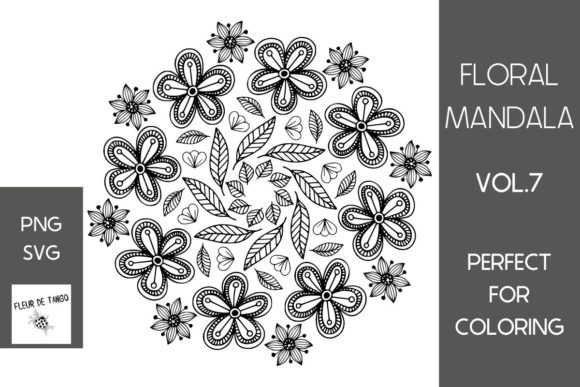
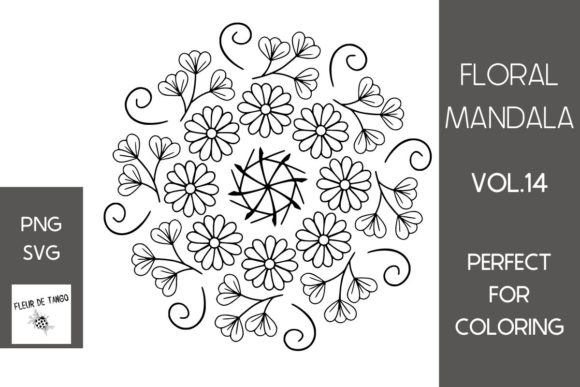
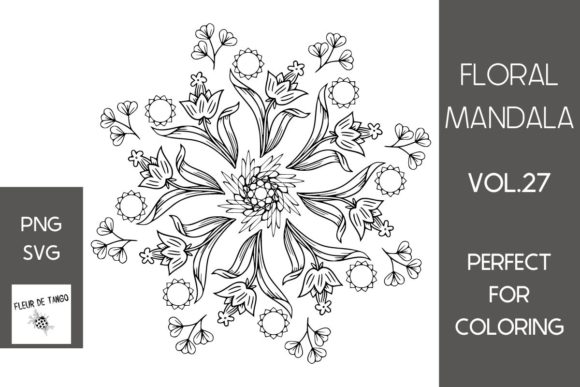
The moment you open the file for Floral Mandala Vol.27, the mood shifts. It isn't just a pattern; it feels like a focal point waiting to happen. The mandala structure provides a natural symmetry that is inherently pleasing to the eye, while the floral elements add an organic, soft touch that prevents the geometric shape from feeling too rigid. For a designer, this balance is crucial. It suggests versatility. This isn't a design that screams for attention in a chaotic way; rather, it whispers sophistication, making it perfect for brands that want to project elegance without being overly ornate.
In terms of layout, the design possesses a clear visual hierarchy. The center draws the eye inward, while the outer petals radiate outward, creating a sense of movement even in a static stitch. This dynamic quality is what separates a simple clipart from a professional embroidery file. Whether you are working with satin stitches for the outlines or fill stitches for the inner details, the lines appear clean enough to hold their shape under tension. It feels like a design meant to be seen up close, rewarding the viewer with intricate details that don't get lost in the stitching process.
Real Project Scenario: The Boutique Tote Bag
To truly test Floral Mandala Vol.27, I imagined a specific scenario: a custom order for a local boutique owner who needed a unique tote bag design for a summer artisan market. She wanted something that looked handmade and artisanal but could be produced efficiently. The canvas was a sturdy, natural-colored cotton canvas tote bag. This is a classic use case for custom apparel and tote bag design, but the fabric texture can be unforgiving.
When I ran the design through my mental simulation of the hoop, the mandala fit perfectly in a 4x4 inch area, which is standard for many home machines. The floral elements were detailed enough to look high-end on the thick canvas, yet spaced out enough to avoid bunching. If I were using a satin stitch for the borders, the curve of the mandala would have flowed beautifully around the curves of the bag handles. The result would be a finished product that looks expensive and thoughtful, elevating a simple tote into a handmade product worthy of a higher price point. Customers walking past a booth would likely stop because the design has a distinct personality that stands out against the plain background.
Performance Across Different Fabrics and Products
The versatility of Floral Mandala Vol.27 extends far beyond tote bags. In the world of small shop products, adaptability is key. I envision this design thriving on baby clothes, where the soft floral theme aligns perfectly with nursery decor and gift-giving occasions. On a onesie or a baby blanket, the mandala creates a soothing, central motif that parents love. However, the success here depends heavily on the stitch density. If the design is too dense, it might feel stiff on delicate baby fabric, so testing on scrap material is non-negotiable.
For holiday embroidery projects, such as Christmas stockings or holiday aprons, this design offers a timeless aesthetic that transcends trends. It works equally well on dark fabrics if paired with the right thread colors, or on light fabrics where the contrast highlights the intricate lines. It is also a strong candidate for embroidered patches that can be ironed onto denim jackets or caps. The symmetrical nature of the mandala makes it forgiving on curved surfaces like hats, provided the stabilizer is chosen correctly to prevent puckering.
However, there are limitations to consider. If you plan to use this for commercial embroidery on stretchy fabrics like athletic wear, caution is required. The tight curves of the mandala might distort if the fabric stretches during the stitching process. Similarly, on textured fabrics like heavy waffle weave or fleece, the fine details of the floral elements might get lost. In these cases, the design might need slight adjustments to the hoop size or a reduction in detail to ensure clarity.
Navigating Potential Pitfalls
No design is without its challenges, and Floral Mandala Vol.27 is no exception. One area where designers must be careful is with small details. If the mandala includes tiny filigree work or very thin lines, these can sometimes break or disappear entirely on certain machines, especially if the thread tension is off. It is vital to inspect the design closely before committing to a large production run.
Another consideration is the interaction with fabric texture. On rough linen or burlap, the smooth curves of the mandala might not lay flat, leading to a slightly uneven finish. For these materials, a heavier stabilizer is essential to support the weight of the threads. Additionally, if you are planning to sell finished items, you must verify the licensing terms. While the product description mentions SVG and PNG formats suitable for cutting machines, the rights for machine embroidery and commercial resale of finished goods should always be confirmed directly with the creator.
Practical Tips for the Design Professional
Before you rush to your machine with Floral Mandala Vol.27, there are a few steps every experienced designer takes to ensure a flawless outcome. First, always test the design on a scrap piece of the same fabric you intend to use. This allows you to check the thread color contrast and see how the fill stitch behaves on that specific material. Second, review the stitch density. If the design feels too heavy, it may require a lighter stabilizer or a different thread type to reduce bulk.
It is also wise to create a black and white mockup of the design. Sometimes, color can distract from structural issues, and seeing the design in grayscale helps you judge the balance of the shapes and the negative space. If you are an Etsy seller or a craft business owner, this step ensures your printable mockups accurately represent the final product, managing customer expectations and reducing returns.
Finally, remember that the choice of thread colors can make or break the design. A dark blue thread on a black background will vanish, while a metallic thread might catch the light beautifully but require a slower stitch speed. Experimentation is part of the creative process. By taking the time to understand the nuances of Floral Mandala Vol.27, you transform a simple digital asset into a professional, market-ready piece of art.
In conclusion, Floral Mandala Vol.27 is more than just a pretty picture; it is a robust tool for any designer looking to elevate their embroidery project. With careful preparation and an understanding of its strengths and limitations, this design can become a staple in your portfolio, helping you create personalized gifts, boutique branding, and high-quality finished products that customers will cherish.